
If you still use an iPhone XS, XS Max or XR, Apple has an older iPhone zero-day fix waiting for you: iOS 18.7.11, released on 26 October 2026. It patches a flaw that Apple says "may have been exploited" in targeted attacks, the same one newer iPhones were patched against a month ago. This guide covers which phones need which update, what the flaw is in plain English, and how to install the fix in a couple of minutes.
Everything below was checked on 28 October 2026 against Apple's security pages, the US National Vulnerability Database and the US Cybersecurity and Infrastructure Security Agency (CISA). Apple hasn't said who was targeted or how many people, so we don't guess at either.
We only recommend what we'd use.
Last updated: 28 October 2026
The short answer
- iPhone XS, XS Max or XR: install iOS 18.7.11 now.
- iPhone 11 or newer, staying on iOS 26: you're covered on iOS 26.7.1 or later. The latest is iOS 26.7.2.
- iPhone 11 or newer, on iOS 27: Apple doesn't list iOS 27 as affected. The latest version is iOS 27.2.
Not sure which version you're on? Open Settings, tap General, then tap Software Update. The screen shows the version you have and whether an update is waiting.
What Apple fixed, and why it's called a zero-day
The flaw sits in CoreGraphics, the graphics framework iOS uses to draw images and documents. Its tracking number is CVE-2026-86950. In Apple's iOS 18.7.11 security notes, the impact is described as: "Processing a maliciously crafted file may lead to arbitrary code execution." In plain terms, a booby-trapped file could let an attacker run their own code on the phone.
The reason people call it a zero-day is the next line. Apple says it "is aware of a report that this issue may have been exploited in an extremely sophisticated attack against specific targeted individuals on versions of iOS before iOS 27." In other words, someone may have used it before a fix existed.
Two things to keep in proportion:
- This was targeted, not mass hacking. Apple's wording is about specific individuals. Nothing published says ordinary users were hit.
- It's still worth fixing today. CISA added the flaw to its Known Exploited Vulnerabilities catalog on 29 September 2026, and the score CISA gives it on the NVD page is 8.8, rated High.
Apple credits Meta Product Security with reporting the flaw.
Which iPhones need which update
Apple's security releases page lists three iPhone updates on 26 October. Only one of them, iOS 18.7.11, carries the zero-day fix for older phones.
| Your device | Update you need |
|---|---|
| iPhone XS, iPhone XS Max, iPhone XR | iOS 18.7.11 (released 26 October 2026) |
| iPhone 11 or newer, staying on iOS 26 | iOS 26.7.1 or later (the latest is iOS 26.7.2) |
| iPhone 11 or newer, on iOS 27 | Not listed as affected. The latest is iOS 27.2 |
| iPad 7th generation | iPadOS 18.7.11 |
A note if you read Apple's iOS 18.7.11 page yourself: its "Available for" lines currently run the device list together with a list of newer iPads. The clean list is on Apple's security releases page: iPhone XS, iPhone XS Max, iPhone XR and iPad 7th generation. Newer iPads were covered by iPadOS 26.7.1 on 28 September, and iPadOS 27 isn't listed as affected.
Why the older iPhone zero-day fix came a month later
Newer devices got the fix first. Apple's iOS 26.7.1 notes are dated 28 September 2026, cover the iPhone 11 and later, and list the same CVE with the same "may have been exploited" wording. Macs got it the same day in macOS Tahoe 26.7.1 and macOS Sequoia 15.8.1.
The XS, XS Max and XR waited until 26 October. Apple hasn't said why, so we won't guess. What matters is that the fix is out now.
How to install iOS 18.7.11
These are Apple's own steps from its guide to updating an iPhone or iPad:
- Back up first. Use iCloud or your computer.
- Plug in and join Wi-Fi. Plug the phone into power and connect to the internet with Wi-Fi.
- Open Settings, then tap General.
- Tap Software Update. You'll see your current version and whether an update is available.
- Tap Download and Install, then follow the steps on screen.
If the update doesn't show up, Apple says a VPN or proxy can stop the phone reaching its update servers, and you can update with a computer instead.
While you're in Software Update, tap Automatic Updates and turn on Automatically Install. Apple says the phone will then install updates overnight while it's charging and on Wi-Fi, and tell you first.
One thing to know before you tap install: Apple says that once an iOS update is installed, "it cannot be downgraded to the previous version." For a security fix like this one, that's not a reason to wait.
What about the iPhone 8, 8 Plus or X?
These phones top out at iOS 16. Apple's last update for them was iOS 16.7.16 on 11 May 2026, and neither the 28 September nor the 26 October releases include an iOS 16 update. Apple hasn't said whether they're affected by this flaw, so we can't tell you they're safe or unsafe.
What we can say: Apple hasn't released a fix for this flaw for these models. If one of these is still someone's main phone, don't assume it's protected against this flaw.
The other two fixes in iOS 18.7.11
Apple's notes list three fixes in total. The two that aren't marked as exploited:
- Audio (CVE-2026-65339): "An app may be able to leak sensitive user information."
- CoreMedia (CVE-2026-86990): "A malicious app may be able to access the camera without user permission."
FAQ
Do I need to do anything else after updating?
No. Apple hasn't published any extra steps for this flaw. Install the update, keep automatic updates on, and you're done.
Is iOS 27 affected?
Apple's wording says the attack targeted "versions of iOS before iOS 27", and iOS 27 isn't in the list of fixed versions on the NVD page. iOS 27.2 also came out on 26 October with other fixes, so it's still worth installing if you're on iOS 27.
Does this matter outside the US?
Yes. Apple's security pages don't limit the update to any country, and CISA and the NVD are simply where the flaw is tracked. If an older iPhone has been handed down to a child, a parent or a second-phone drawer, that's the one worth checking first.
In South Africa: older iPhones often live on as hand-me-downs, so check the phones in your family, not just your own.
If you like to stay on top of patches like this, our guides to the Chrome 155 security update and the php2shell flaws and what to update follow the same check-and-install format. We'll update this post if Apple adds older devices or more detail.
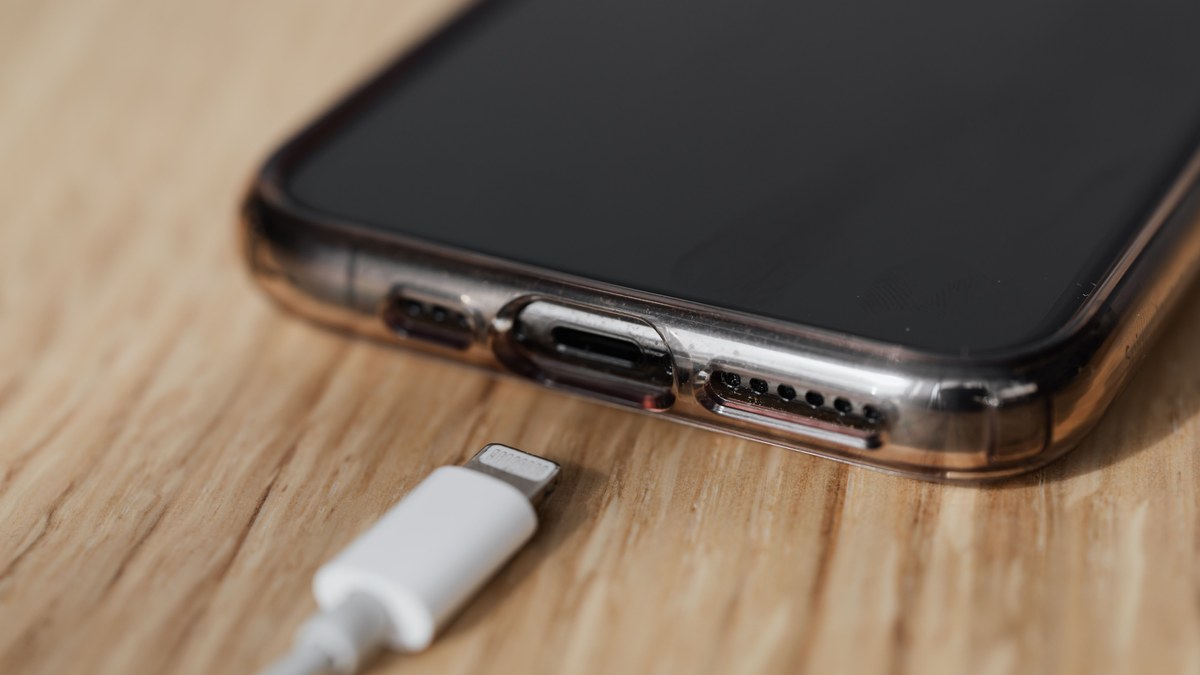
Featured photo: A smartphone and charging cable on a desk. If you still use an iPhone XS, XS Max or XR, plug in, join Wi-Fi and install iOS 18.7.11 to get Apple's zero-day fix. Photo: Kaboompics / Pexels
Sources: Apple: About the security content of iOS 18.7.11 and iPadOS 18.7.11, checked 28 Oct 2026; Apple: Apple security releases, checked 28 Oct 2026; Apple: About the security content of iOS 26.7.1 and iPadOS 26.7.1, checked 28 Oct 2026; Apple: Update your iPhone or iPad, checked 28 Oct 2026; NIST NVD: CVE-2026-86950, checked 28 Oct 2026; CISA: Known Exploited Vulnerabilities catalog, checked 28 Oct 2026.