
Nintendo's official investor Q&A leaves future price revisions possible if costs cannot be absorbed. For Switch 2, no new price hike planned describes a current reported position, not a permanent price guarantee.
According to Reuters' 5 November report, president Shuntaro Furukawa said Nintendo was not considering additional price changes. That can coexist with the conditional policy in its own 6 November Q&A: prices are not promised to stay fixed forever.
We only recommend what we'd use.
Last updated: 9 November 2026
Switch 2: no new price hike planned is a current position
The practical distinction is between a change being considered now and a change that might be considered later. Reuters attributes the current no-additional-change position to Furukawa. Nintendo's official Q&A explains conditions that could lead to future revisions.
Neither is a promise of a fixed holiday price, an unchanged price through a particular future year or a sale at a guessed date. Buyers should not read this story as a countdown that forces a purchase today.
There is also no current US checkout amount verified in this article. A statement about pricing policy is not the same as a live store offer for your region.
Which statement came from which source
The current-position wording comes from Reuters' 5 November reporting, available through its StreetInsider syndication. The longer-term conditional policy comes from Nintendo's 6 November Japanese financial-results and management-policy Q&A, specifically answer A3.
Those are different documents, published on different days. We are paraphrasing the Japanese policy in English, not presenting a translation as a quotation from an official English Q&A.
This source distinction matters because the headline's no-new-change claim should not be attributed to wording the official document does not contain. Reuters is the authority for the reported current position; Nintendo's own Q&A is the authority for the conditional future-price policy described here.
The official policy: absorb what it can
In answer A3, Nintendo describes trying efficiency measures and other corporate efforts, then bearing some remaining costs to maintain selling prices as far as possible.
The condition follows: if those efforts cannot absorb the impact over the medium to long term, and maintaining a healthy profit structure becomes difficult, price revisions may need consideration. That is a conditional policy, not an announcement that another increase is happening.
The words as far as possible should not disappear from a summary. Leaving out that condition would make the policy sound firmer than it is. Equally, treating the possibility of revision as an already announced hike would misread the other side of the statement.
Memory supply is not the same as unchanged costs
Reuters reports Furukawa saying the memory situation had not changed greatly and that Nintendo could secure sufficient quantities. That is not a guarantee of immunity from every future shortage or an indefinite stockpile.
Separately, answer A5 of the official Q&A describes higher procurement costs reaching cost of sales gradually, depending on inventory and sales. It says more expensive materials are expected to weigh more from the third quarter.
Securing enough components and absorbing their cost are therefore separate questions. A company can discuss adequate supply while also explaining cost pressure. These sources do not establish that one particular AI company caused the situation, nor do they give readers a reliable countdown to a retail increase.
Hardware and game prices need separate answers
Nintendo's A3 distinguishes hardware cost exposure from software pricing, which it says is set title by title according to value. A hardware-plan statement does not announce identical game prices, accessory prices or subscription terms.
For games context, our guide to what is new in Ocarina of Time on Switch 2 covers a separate title. It should not be used as evidence that every game follows the same pricing policy.
Cross-platform news also needs its own scope. Our explanation of what Xbox FSR 4 changes concerns another platform's graphics features, not Nintendo support or Nintendo's cost structure.
What current owners should and should not infer
Our view: current owners can focus on whether their games and setup do what they need, rather than treating a pricing-policy statement as a reason to rush another purchase.
For travel, practical preparation can matter more than speculation. Read why some Switch 2 games need preparation for offline play before relying on a console away from a connection.
Business forecasts are a different measure again. Nintendo's official explanatory material concerns its financial outlook; a forecast is not a retail-price guarantee. It should not be used to promise a particular discount or to predict what one shop will charge.
Can prices still change later?
Yes. The official conditional policy permits considering future revisions. These sources do not announce a new date or amount, and they do not establish that all countries have locked prices.
Is there another change being considered now? According to the Reuters report, Nintendo's current position is no additional price change. Is that a forever promise? No.
For an actual purchase, check the relevant official regional offer at the time. For the news claim, watch for another official policy update or clearly attributed company statement, not an invented deadline or an urgent buy-now message.
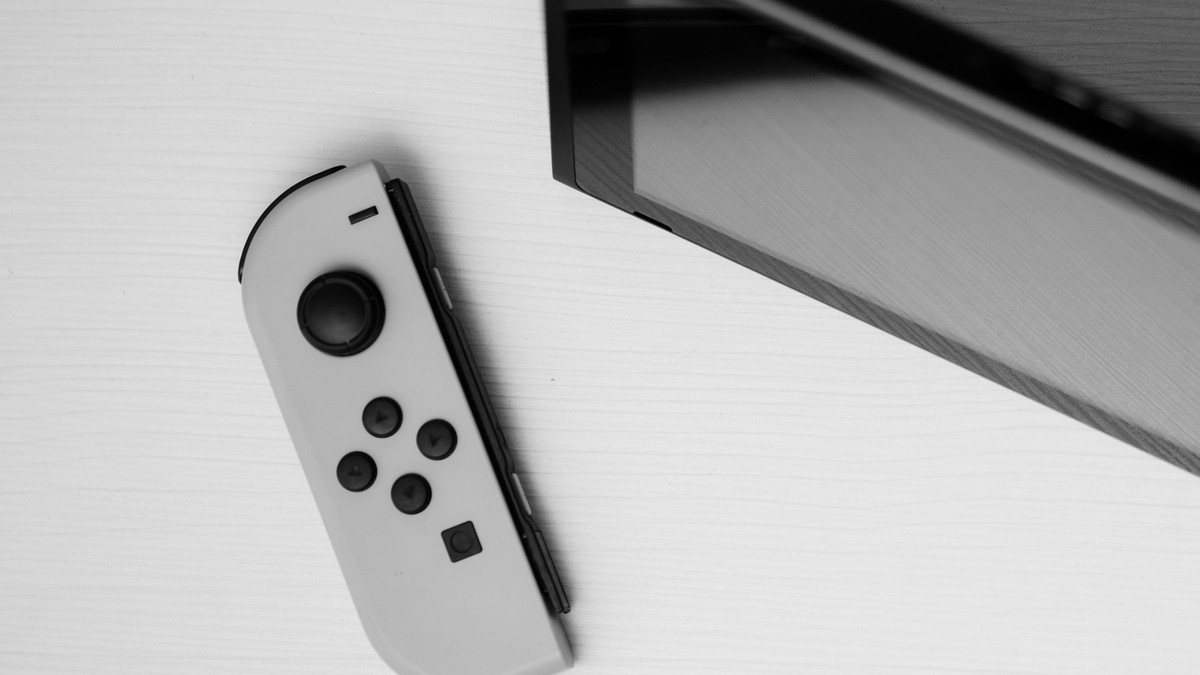
Featured photo: Illustrative original Nintendo Switch hardware, not a Switch 2 product image or a new model announcement. Reuters reports Nintendo has no current plan for a new price rise; this is not a permanent price guarantee. Photo: Arturo EG / Pexels
Sources: Nintendo's official Japanese Q&A; Nintendo's official explanatory material; Reuters report, syndicated by StreetInsider; The Verge's Reuters-based report.