
The Android TV box botnet that Google and its partners took down this week turned more than 1.3 million cheap streaming boxes into tools for criminals, using their owners' home internet. If you own an unbranded Android TV box, here's what happened, how to tell if yours is risky and what to do now, with no technical steps needed.
We checked Google's threat report, Google's Play Protect help page and TrendAI Research's findings on 4 November 2026. Google's report is dated 3 November 2026.
We only recommend what we'd use.
Last updated: 5 November 2026
The short answer
Google says it and industry partners shut down the XCPE botnet, which had enrolled more than 1.3 million Android TV set-top boxes that shipped with a hidden backdoor. The takedown cut the criminals' control, but TrendAI says owners can't remove the software themselves. If your box isn't Play Protect certified, treat it as untrusted: disconnect it from your network and replace it with a certified device.
What happened with the Android TV box botnet
In its report of 3 November 2026, Google Threat Intelligence Group says: "Google and industry partners dismantled the XCPE backdoor which enrolled more than 1.3 million set-top boxes into a botnet." Google says it assesses "with high confidence" that the backdoor was "intentionally developed, deployed, and operated for financial gain by Videostrong Technology Co.", an Android device maker.
Google also says that taking down the control domains of partner operations "will sever access to at least 10 million additional compromised devices". In plain terms, Google says the backdoor is preloaded in the box's firmware and reinstalls itself after a reboot if you uninstall it.
What it did with your box and your internet
Google says the extra modules ran ad fraud, quietly turned devices into residential proxies and loaded more malware. TrendAI Research says each box "relayed third-party traffic through its owner's home internet connection", and it counted 3,849,226 distinct residential exit IP addresses between 3 June and 1 October 2026.
Why should you care? Strangers' traffic, which may be criminal, looked like it came from your home. TrendAI explains that traffic from a household address "passes IP reputation and geolocation checks that banks, retailers and online services rely on". The reports we read don't say passwords or viewing history were stolen, so we aren't claiming that.
How big it was, and where
TrendAI's telemetry counted 1,472,554 infected devices across 206 models in more than 170 countries. Malaysia, Brazil, Iraq, Mexico and Taiwan had the most. The US, Germany, the UK, Australia and Canada each had about 26,000 to 42,000. Google says most infected devices were TV set-top boxes, plus some telehealth devices, karaoke machines and digital signage.
South Africa isn't named in either report's top lists, and we haven't seen a local figure.
Which brands are involved?
Google attributes the backdoor to Videostrong, whose software ended up in many brands over several years. Krebs on Security reports that research firm Synthient examined a MECOOL-branded box sold by Skyworth Technology and concluded it also bundled Videostrong's malware. That's Synthient's finding as reported by Krebs, and we haven't confirmed it ourselves. We haven't seen an official list of affected models, so we can't tell you a brand is safe or affected.
Is your streaming box infected? Checks you can do
- Check Play Protect certification. Google Play Help says to open the Play Store app, tap the profile icon, tap Settings, then About. If it says "Device is not certified", check Google's certified list. Google says uncertified devices "may not be secure" and "may not get Android system updates". Menu names on a TV box may look a little different from a phone.
- Check the brand. Look for the maker on Google's Play Protect certified partners list.
- Look for red flags. An unbranded or uncertified box is one. Google warns consumers to be "extremely wary" of apps that offer payment for your unused bandwidth or for sharing your internet.
There's no simple on-screen test that proves a box is clean. TrendAI says: "Owners cannot remove the implant themselves."
What to do now
- If the box is uncertified or unbranded, disconnect it from Wi-Fi and Ethernet. TrendAI says cleanup "needs vendor action, platform protection or replacement of the device".
- Replace it with a Play Protect certified device. Google says to buy connected devices "from reputable manufacturers".
- As a precaution (our advice, not the reports'), change the passwords for any accounts you signed into on the box, such as streaming services and Google.
- Uninstall any app, on any device, that pays you for sharing your internet.
- Keep Google Play Protect switched on on your phones and certified devices, as Google advises.
- If you bought from a reputable seller, ask for a refund or a clean official update. Don't install firmware from forums.
| If your box is... | What to do |
|---|---|
| Play Protect certified, from a known brand | Keep it updated and keep Play Protect on |
| Not certified, or an unknown brand | Disconnect it from your network and replace it |
| Running an app that pays for your bandwidth | Uninstall the app now |
| Not sure | Treat it as uncertified until you've checked |
For more home network security, see our look at the ASUS GT-BN98 Wi-Fi 8 router and our Capcom ID breach steps.
FAQ
Did the takedown fix my box?
No. It cut the criminals' control, but TrendAI says the software stays on the device, and owners can't remove it themselves.
Can a factory reset remove it?
Don't count on it. Google says the backdoor sits in the firmware and reinstalls itself after a reboot, and TrendAI says owners can't remove it themselves.
Is my smart TV affected?
The reports are about set-top boxes and some other Android devices, not smart TVs in general. For TV privacy settings, see our guide to opting out of smart TV tracking.
Who made the infected boxes?
Google attributes the backdoor to Videostrong. Many brands used its software, and we haven't verified a full public list.
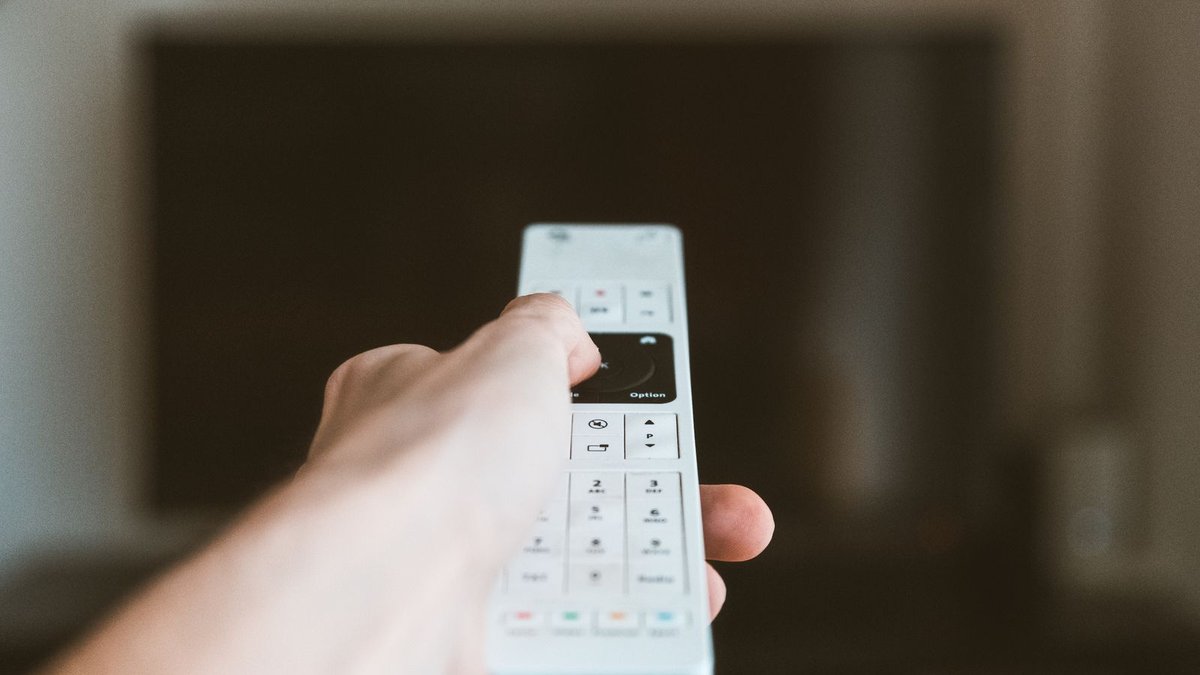
Featured photo: Google says more than 1.3 million Android TV set-top boxes shipped with a backdoor preloaded in their firmware. Photo: Image Hunter / Pexels
Sources: Google Threat Intelligence Group: Shutting the Door on the XCPE Botnet, 3 Nov 2026; Google Play Help: Check and fix Play Protect certification status; TrendAI Research: Disrupting a botnet of more than 1.3 million pre-infected set-top boxes. All checked 4 Nov 2026.